Hedge Trimming in Harrow

Hedge Trimming Harrow provides hedge trimming in Harrow with a practical focus on tidy shaping, healthy regrowth and clear boundaries. The service suits front gardens, back gardens, perimeter hedges and mixed planting where a clean finish matters as much as the final shape. We work with regular maintenance cuts and one-off reductions where a hedge has drifted beyond the line the property needs.
Trimming is about more than removing excess growth. A careful cut helps keep the hedge even, supports the look of the whole garden and prevents the plant from becoming too wide or top-heavy. Different hedge types need different handling, so the approach should suit the species, the season and the result you want. Our service is built around those practical decisions rather than a single fixed method.
Typical work can include formal shaping, light tidying after a growth spurt, height control, side reduction and clearing away the cuttings once the work is complete. If you need a straightforward quotation, start with the hedge size, access and finish you want. A clear description of the work helps the enquiry move quickly and keeps expectations realistic.
Regular Hedge Maintenance
Routine hedge care is often the simplest way to keep a boundary looking neat. When trimming is done before growth becomes too heavy, the hedge usually keeps a more defined line and is easier to manage on later visits. Regular cuts can also make it easier to preserve the intended width, which matters in narrow spaces, along paths and beside drives. In practical terms, maintenance work is about keeping the hedge consistent rather than repeatedly correcting overgrowth.
Well-timed maintenance may be preferable for hedges that form part of the garden structure, such as those used to edge a lawn, screen a seating area or define a side return. Our trimming work can be planned around the shape you want to keep, whether that is crisp and formal or softer and more natural. If you are comparing options, think about whether the hedge needs a light seasonal tidy or a more noticeable reset of its profile.
When a lighter cut is enough
A lighter cut is often suitable where the hedge already has the right height and spread but has started to lose definition. This type of work aims to remove fresh growth evenly, re-establish a neat face and avoid taking away more than is needed. It can be especially useful for hedges that are generally healthy and only need attention to look presentable again. A simple trim is often the most efficient choice when the hedge is already close to the desired line.
Shaping, Reduction and Height Control

Some hedges need more than a routine trim. If growth has pushed beyond the original boundaries, careful reduction can restore balance and make the hedge more practical to maintain. In those cases, the work may focus on bringing the sides back, easing the top down gradually and keeping the overall form even. The aim is not to force every hedge into the same look, but to match the cut to the plant and the setting.
Height control is particularly important where a hedge affects light, privacy or the visibility of a garden feature. A sensible reduction should leave the hedge looking deliberate rather than bluntly shortened. That usually means taking account of the natural shape, cutting in stages where needed and checking the result from more than one angle. Where appropriate, we can also help with garden maintenance when the hedge is part of a wider upkeep plan.
Useful choices before a reduction often include whether you want the hedge to remain formal, whether the top should stay level, and whether the sides need to taper slightly towards the top for better light. These decisions affect the final result more than any single tool or technique. If you are unsure how much to remove, a measured approach is usually safer than a heavy cut that changes the hedge more dramatically than intended.
Front Gardens, Boundaries and View Lines

Hedges at the front of a property often do several jobs at once: they define the boundary, frame the approach and shape the first impression of the garden. Trimming in these settings tends to focus on symmetry, height and clean edges, especially where the hedge borders a pavement, driveway or low wall. Good presentation matters, but the practical aim is also to keep the line clear and manageable through the growing season.
Boundary hedges can also need selective work where one side grows faster than the other, or where a section has become patchy and requires a gentler finish. The right cut should respect the hedge’s current condition instead of treating every side identically. If you also need help with bigger outdoor updates, our landscaping service can sit alongside hedge work where a more coordinated garden change is being planned.
For many properties, the best result comes from steady, repeated shaping rather than occasional severe cutting. That is especially true when the hedge contributes to the outline of the garden from the street. A neat boundary does not have to look rigid; it simply needs a consistent line, a tidy base and a top that suits the property’s proportions. Clear edges make the whole frontage feel more ordered.
Species, Seasons and Practical Limits
Different hedges respond differently to trimming, so the work should reflect the plant rather than follow a generic routine. Some species cope well with frequent shaping, while others need more careful handling to avoid exposing bare patches or stressing the growth. The best finish depends on the hedge’s current thickness, how long it has been since the last cut and whether the priority is shape, density or simple control. Good trimming always begins with what the hedge can sensibly take.
Seasonal timing matters too. Growth rates change through the year, and a hedge that looks manageable in one month can thicken quickly in another. If the hedge is flowering, nesting or showing fresh soft growth, the approach may need to be adjusted to suit the plant and the surrounding garden. When in doubt, a conservative trim can preserve health better than an aggressive cut. That is especially relevant where the hedge forms a key part of the garden’s structure.
The main limitation is that not every hedge can be reduced repeatedly without consequence. Sometimes a hedge needs gradual correction over more than one visit, or only a tidy cut rather than a dramatic reshape. If you are preparing an enquiry, it helps to note any sections that are sparse, leaning, overhanging or difficult to reach. That makes it easier to judge the work needed and whether trimming alone is the right solution.
How We Quote for Hedge Trimming

Pricing for hedge trimming is usually influenced by the hedge’s length, height, thickness and access, plus the amount of cut material that will need clearing away. A simple hedge that is easy to reach will take a different amount of time and effort from a tall, dense boundary with awkward corners or limited working space. These factors are part of the practical quotation, so the more accurately the hedge is described, the more reliable the estimate is likely to be.
If you are requesting a quotation, the most useful details are often the hedge type, approximate dimensions, whether both sides need attention and whether the cuttings should be taken away. A few photographs can help, but they are not a substitute for a clear description of the work. You can also mention whether the hedge is part of a recurring maintenance pattern or whether it needs a one-off reduction before regular trimming resumes.
For a simple next step, send the details you already have and ask for a quotation based on the job in hand. If you want to compare the hedge work with other outdoor services, our services overview shows the wider range of garden work available. Ask for a quote when you are ready, and keep the request focused on the hedge itself so the response is easier to prepare.
Clearing Waste and Keeping the Finish Tidy
Cutting the hedge is only part of the job; the finish also depends on what happens afterwards. Once the trimming is complete, the offcuts need to be gathered, loaded and removed in a way that leaves the garden usable again. That matters most where the hedge borders a path, lawn, driveway or patio, because loose clippings can make the space feel unfinished. A neat result should include both the hedge line and the area beneath it.
Some clients want all green waste removed, while others may prefer to keep selected material for composting or another garden use. It helps to decide that in advance, especially where the hedge is large or the access is tight. If you are planning broader garden tidying as well, a separate clearance service may be useful. Where needed, our garden clearance page gives a clearer picture of work that goes beyond trimming alone.
The tidy-up stage also offers a chance to check the final line from ground level and from the main viewing points in the garden. A hedge can look even from one direction and unbalanced from another, so a careful final look is useful. Good clearance supports a good finish, and the two parts of the work should be treated as one connected task rather than separate extras.
Hedge Trimming and Wider Garden Care

Many gardens work best when hedge trimming is considered alongside other regular maintenance. A hedge may frame a lawn, sit beside a deck or form one part of a more detailed planting scheme, so the trimming should complement the rest of the space rather than compete with it. Where the garden needs a broader refresh, combining tasks can reduce repetition and help the whole area feel more balanced once the work is finished.
For some properties, hedge trimming is part of a cycle that also includes lawn care, pruning and occasional landscape updates. In those cases, it is helpful to think about the order in which the work should happen. A hedge cut may expose more of the lawn edge, or a reduction in height may change how the garden is viewed from a terrace or window. If other planting areas also need attention, you may want to look at our lawn mowing service as part of the same wider plan.
The most useful approach is often to treat the hedge as one structural element in a complete garden, not an isolated feature. That means considering shape, spacing and how the hedge relates to paths, borders and seating areas. Thoughtful trimming supports the overall layout as well as the hedge itself, which is why the final cut should always suit the garden it stands in.
About Harrow
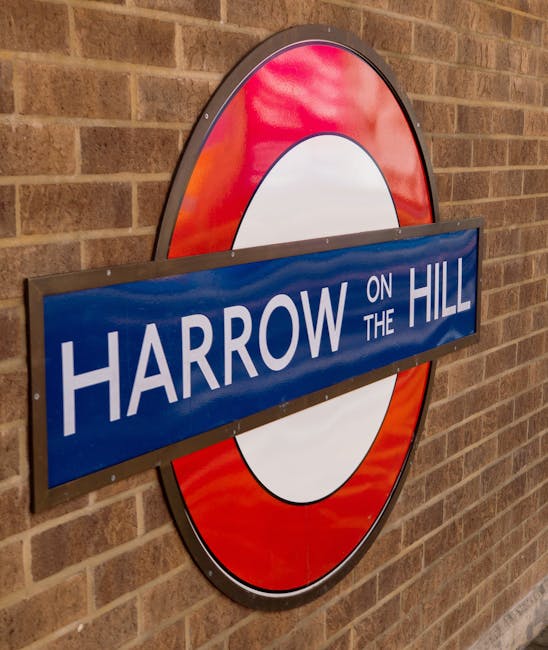
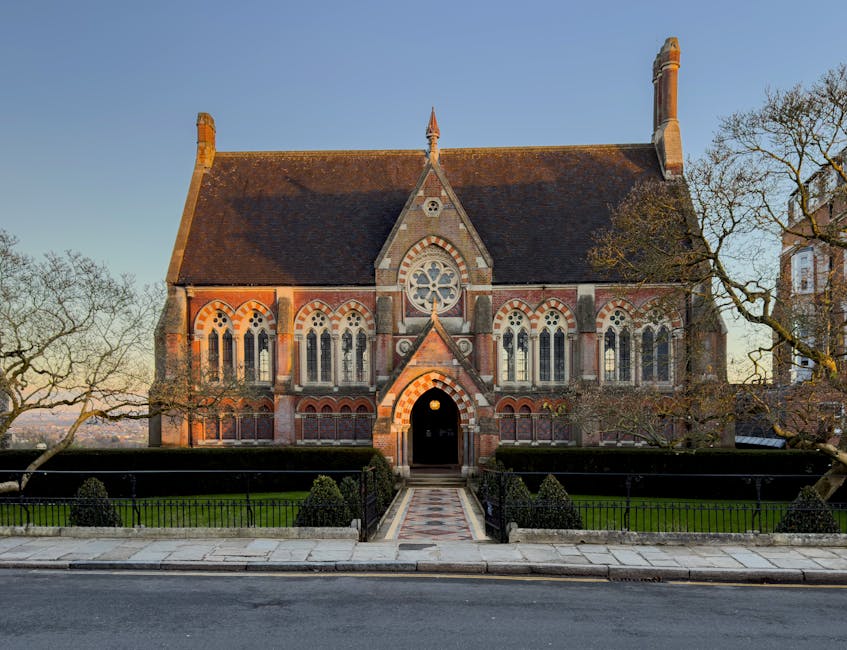
Harrow is a North West London area with a long history that stretches from a rural settlement into a substantial suburban district. The name is commonly associated with Harrow on the Hill, the historic core that sits on a prominent hill and remains one of the area’s best-known landmarks. The hilltop has long shaped the character of the place, with steeper streets, older buildings and views across the surrounding suburbs. St Mary’s Church, perched near the summit, is a key architectural landmark and one of the most recognisable features of the district. Nearby, Harrow School has had a major influence on the identity of the area for centuries and is closely linked with the historic landscape around the hill.
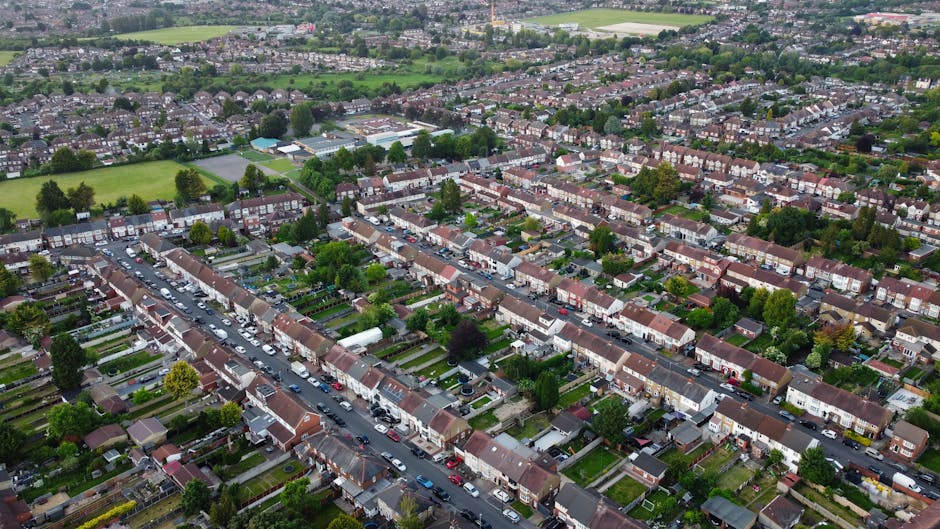
Beyond the hill, Harrow includes a wide mix of residential streets, shopping areas and open spaces. Harrow town centre developed as transport links improved, especially after the arrival of rail services in the nineteenth century, and today the area combines older fragments of settlement with later suburban growth. The borough contains well-known public spaces such as Harrow Recreation Ground and local green corridors, while surrounding neighbourhoods contribute to a varied streetscape of terraces, interwar housing and more recent development. Churches, schools and civic buildings sit alongside the commercial core, giving the area a layered feel rather than a single architectural style. That mix is part of what makes Harrow distinctive within Greater London.
Culturally, Harrow reflects the broader diversity of outer London, with busy high streets, local places of worship, community facilities and connections to nearby neighbourhoods such as Wealdstone and Sudbury. The area’s transport links, including Underground and rail connections, have helped tie the district to the wider city while still leaving room for quieter residential pockets. Harrow on the Hill remains the symbolic centre, but the surrounding borough is equally important in understanding the place as a whole. Its blend of historic landmarks, public green space and suburban expansion gives Harrow a character that is both local and metropolitan, old and continually changing.
Other Garden Services
Hedge work often sits neatly alongside other outdoor tasks, especially where the garden needs a tidy overall finish rather than attention to one feature alone. Our broader garden services can cover maintenance, shaping and practical improvements that support the layout of the space. If hedges are part of a larger planting scheme, it can make sense to tackle them with related work so the garden looks consistent once everything is complete.
Where the garden needs a fuller refresh, a combination of trimming and structural work can help bring the space back into order. That might include coping with overgrown edges, improving the shape of planted boundaries or planning larger changes to hard and soft landscaping. For more involved outdoor changes, you can also review our landscape gardening service to see how hedge trimming may fit into a wider project.
We also handle tree-related work where needed, though that is a separate task from hedge trimming and depends on the size and type of tree involved. If your enquiry involves both hedges and larger woody growth, it is better to describe each clearly so the right work can be matched to the job. That keeps the quotation focused and avoids confusion over what should be included.
Planning Your Enquiry
The easiest way to request a quotation is to describe the hedge, explain the result you want and note anything that affects access or waste removal. It is useful to say whether the work is a small tidy-up or a heavier reduction, and whether you want the hedge kept at a particular height. The more the request reflects the actual job, the easier it is to prepare a sensible response without unnecessary back-and-forth.
If you already know that other parts of the garden also need attention, mention that at the same time so the work can be considered together. Keep the request practical and direct: a short note on the hedge type, location in the garden and current condition is often enough to start. When you are ready to move ahead, ask for your quotation and include the details that matter most for the trimming itself. If you want to view the contact route, use the contact page for the final step.
A good enquiry saves time later because it sets the right expectations from the start. That is especially helpful when the hedge is unusually tall, uneven or hard to access. Even a brief description can be useful if it covers the main facts clearly. Clear, specific details are the best starting point for a quote, and they help ensure the work offered matches the hedge you actually have.